Je Me Clate Home

Category

Craft & Technique

19 articles

The Geography of Your Palate: How Science Is Redefining the Way We Experience Craft Chocolate

The Geography of Your Palate: How Science Is Redefining the Way We Experience Craft Chocolate

Emerging research in sensory science is dismantling the comfortable fiction that all palates receive chocolate equally. From tongue topography to salivary enzyme profiles, the biological architecture of individual tasters varies enormously—and a forward-looking cohort of American chocolatiers is beginning to design bars that account for these differences with extraordinary precision.
Slow Alchemy: What Happens When Chocolatiers Stop Rushing the Finish Line

Slow Alchemy: What Happens When Chocolatiers Stop Rushing the Finish Line

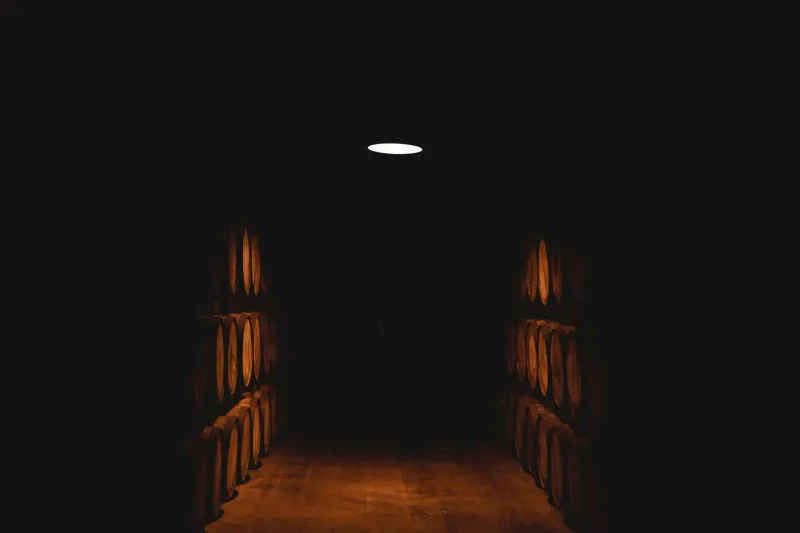
A growing cohort of American chocolatiers is deliberately cellaring finished bars for months or years, allowing chemical transformations to deepen and redirect flavor in ways that fresh consumption never permits. The practice borrows from viticulture and fine cheese aging, yet demands its own set of disciplines entirely. For the patient enthusiast, the results can be revelatory.

A Bar in Motion: The Quiet Transformation Unfolding Inside Every Piece of Craft Chocolate

A Bar in Motion: The Quiet Transformation Unfolding Inside Every Piece of Craft Chocolate

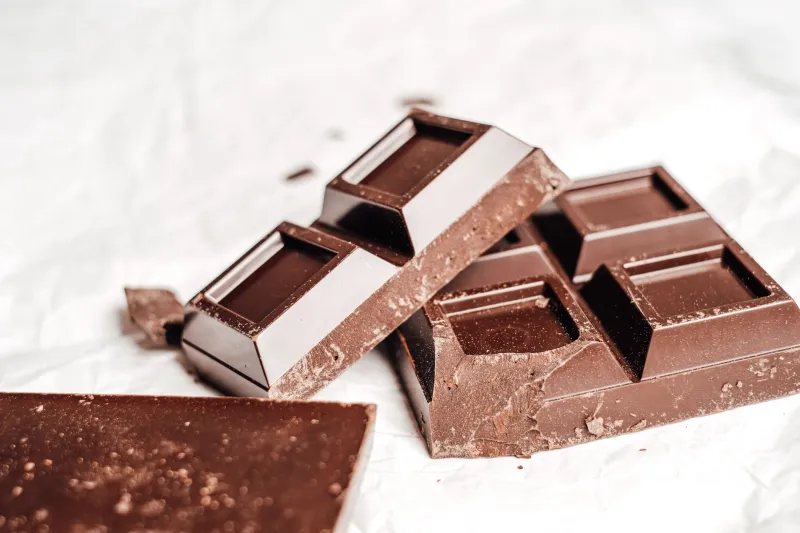
A craft chocolate bar purchased today is not the same object it will be in six weeks. Beneath its glossy surface, a slow and largely invisible chemistry is reshaping flavor compounds, redistributing fats, and altering the very experience the maker intended. The question is whether anyone—maker or consumer—is paying sufficient attention.

The Annotated Bar: How American Craft Chocolatiers Are Building a Science of Sensory Memory

The Annotated Bar: How American Craft Chocolatiers Are Building a Science of Sensory Memory

A growing cohort of American chocolatiers is doing something unusual: opening bars they made years ago and writing down what they find. The practice of systematic flavor documentation is transforming how the industry understands chocolate's long arc of development, and inviting devoted enthusiasts to reconsider what it means for a confection to be finished.

The Architecture of Patience: How Controlled Environments Are Becoming the New Frontier of American Craft Chocolate

The Architecture of Patience: How Controlled Environments Are Becoming the New Frontier of American Craft Chocolate

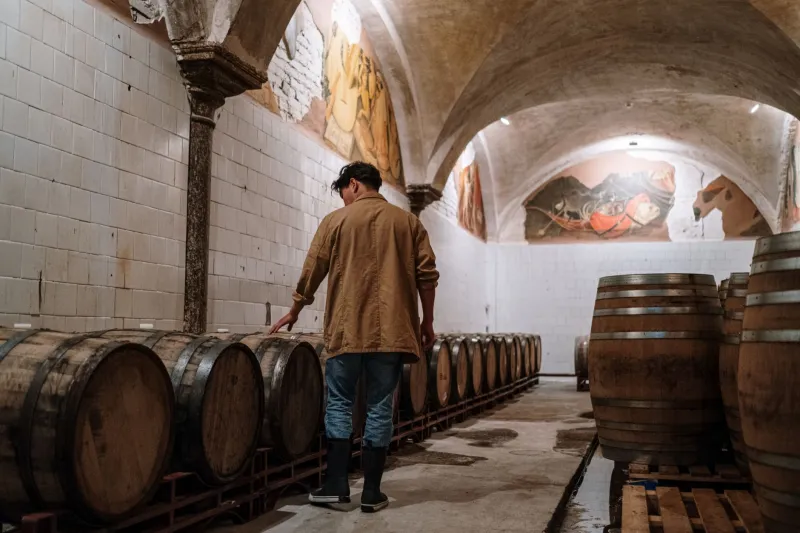
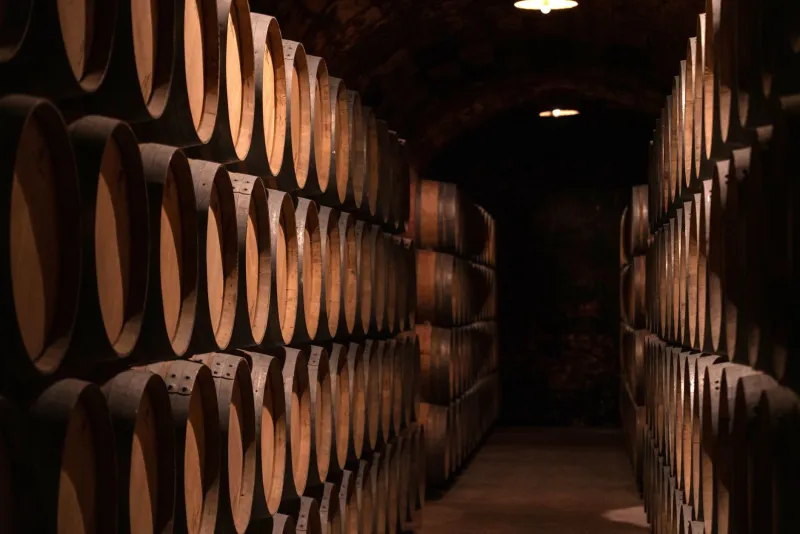
In cellars, climate chambers, and purpose-built vaults across the country, a small but growing cohort of American chocolatiers is treating time as an active ingredient rather than an inconvenience. Through meticulous manipulation of humidity, temperature, and light, they are coaxing flavor transformations from finished chocolate that no amount of roasting or conching can replicate. The results are quietly rewriting what American craft chocolate is capable of becoming.

What the Bean Cannot Tell You: The Quiet Alchemy of Chocolate Aged Beyond Its Harvest

What the Bean Cannot Tell You: The Quiet Alchemy of Chocolate Aged Beyond Its Harvest

Single-origin claims dominate the craft chocolate conversation, yet a quietly growing cohort of American chocolatiers insists the most transformative flavor work happens not in the cacao grove, but in the months and years that follow production. Controlled aging, molecular oxidation, and the patient passage of time are rewriting what a finished bar is capable of becoming.

The Fleeting Peak: How American Craft Chocolatiers Are Chasing Perfection Before It Disappears

The Fleeting Peak: How American Craft Chocolatiers Are Chasing Perfection Before It Disappears

Every craft chocolate bar exists within a narrow corridor of time — a window during which its flavors coalesce into something extraordinary before slowly retreating into flatness. American artisans are now applying a blend of scientific rigor and hard-won intuition to identify that precise moment, and what they are discovering is reshaping how the most discerning consumers approach the act of tasting.

The Provenance Paradox: How Single-Origin Dogma Is Leaving American Craft Chocolate's Best Work Untold

The Provenance Paradox: How Single-Origin Dogma Is Leaving American Craft Chocolate's Best Work Untold

The American craft chocolate movement has elevated traceable cacao origins into a near-sacred marketing language, but this fixation may be obscuring something far more compelling. Behind the estate names and GPS coordinates lies a body of technical artistry and deliberate blending practice that rarely earns the spotlight it deserves. This piece argues that the richest chapter in American chocolate is being written not in the field, but in the workshop.

When the Season Changes, So Does Your Palate: The Temporal Dimension of Craft Chocolate

When the Season Changes, So Does Your Palate: The Temporal Dimension of Craft Chocolate

The craft chocolate conversation has long privileged geography over time, yet the season in which you open a bar may shape your experience of it as profoundly as the latitude from which its cacao was harvested. Exploring the intersection of atmospheric conditions, human physiology, and confectionery formulation reveals a dimension of chocolate appreciation that American connoisseurs have been largely content to ignore. The question is no longer simply where your chocolate comes from — but when y

Still Becoming: The Case for Treating Your Chocolate Bar as a Living Thing

Still Becoming: The Case for Treating Your Chocolate Bar as a Living Thing

A sealed chocolate bar does not simply wait on your shelf—it continues to transform, sometimes for years, through chemical processes that rival the complexity of wine cellaring. For the American connoisseur willing to exercise patience, deliberate aging may unlock dimensions of flavor that no amount of careful sourcing or masterful roasting can manufacture at the point of production.

What Happens After the Purchase: The Forgotten Science of Chocolate Storage

What Happens After the Purchase: The Forgotten Science of Chocolate Storage

A carefully sourced bar of artisanal chocolate begins transforming the moment it leaves the maker's hands—and not always for the better. Understanding how temperature, humidity, and light conspire to alter flavor compounds is becoming an essential discipline for serious enthusiasts. We examine the emerging culture of deliberate chocolate cellaring and what it reveals about the nature of great confection.

The Sixth Sense of Chocolate: Why Mouthfeel May Matter More Than Flavor

American craft chocolatiers have long competed on flavor complexity and origin provenance, yet a quieter revolution is reshaping what it means to experience fine chocolate. A growing cohort of artisanal makers is turning its attention to mouthfeel—the tactile dimension that determines whether a bar is merely tasted or truly felt. Through precise manipulation of cocoa butter ratios, particle size, and tempering protocols, these producers are arguing that texture is not a supporting actor but the

Cellared in Darkness: The American Chocolatiers Letting Time Do the Work

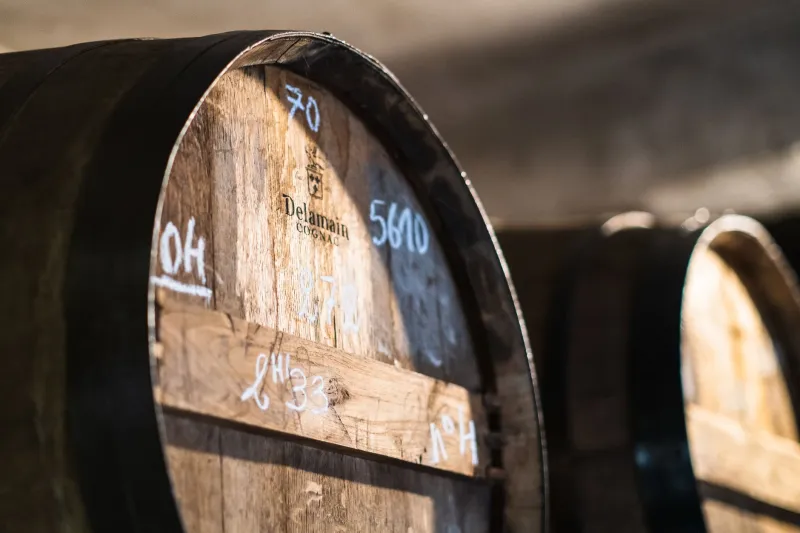
A small but serious cohort of American craft chocolate makers has begun treating raw cacao not as a perishable ingredient to be rushed through production, but as a living material worthy of patient, deliberate aging. The results—complex, layered, and often startling—are reshaping assumptions about what freshness means in fine chocolate. We investigate the emerging practice of cacao cellaring and why time itself may be the most underestimated ingredient in the artisan's pantry.

Breaking Point: The Science and Obsession Behind How American Craft Chocolate Feels

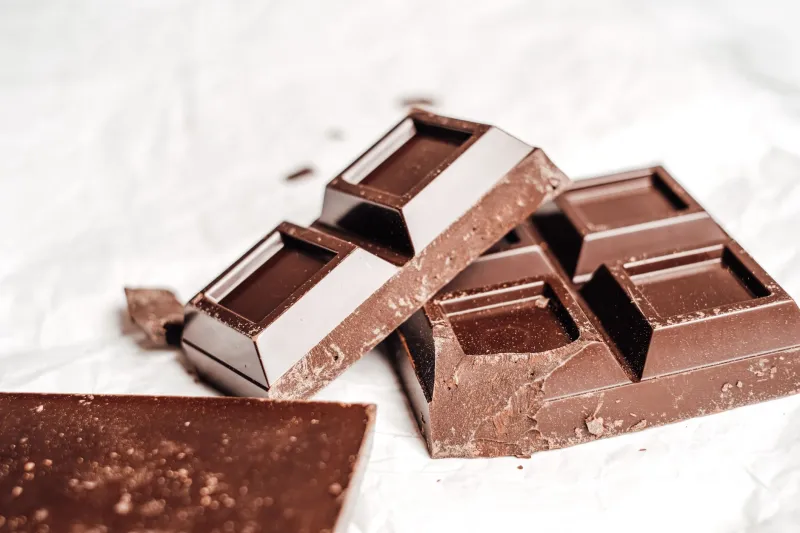
Long before flavor registers on the palate, chocolate communicates through touch. America's most dedicated artisan chocolatiers are engineering every tactile moment—from the decisive snap of a well-tempered bar to the slow, deliberate dissolution on the tongue—with a precision that rivals any culinary discipline.

The Mineral Argument: How Salt Became the Most Subversive Tool in American Chocolate

Salt has long been treated as an afterthought in premium chocolate — a finishing flourish at best, an adulteration at worst. A new generation of American confectioners is challenging that orthodoxy with rigor and precision, deploying a diverse spectrum of mineral sources to amplify cocoa complexity and rewire how discerning palates perceive sweetness, bitterness, and depth.

The Quiet Revolution Beneath the Bean: How American Craft Producers Are Transforming Chocolate Through Fermentation

Before a cacao bean becomes chocolate, it must pass through one of food production's most consequential—and least understood—transformations. A new generation of American craft chocolatiers is bringing unprecedented scientific rigor and cross-disciplinary creativity to the fermentation stage, unlocking flavor dimensions that were previously left entirely to chance.

The Art of the Blend: Why Cacao's Greatest Expressions May Come from Combination, Not Purity

The Art of the Blend: Why Cacao's Greatest Expressions May Come from Combination, Not Purity

The single-origin movement has long held a privileged position in artisanal chocolate culture, but a growing cohort of master chocolatiers is making a compelling case for the intentional blend. By drawing on cacao from multiple regions, these craftspeople are constructing flavor profiles of remarkable depth — ones that no single terroir could produce alone.

The Invisible Architecture of Great Chocolate: How Temperature Transforms the Ordinary into the Extraordinary

The Invisible Architecture of Great Chocolate: How Temperature Transforms the Ordinary into the Extraordinary

Behind every glossy bar of single-origin chocolate lies an invisible architecture of crystalline precision — one that separates the merely competent chocolatier from the truly masterful. We explore the exacting science of tempering, the errors that quietly haunt even seasoned artisans, and the tools that are quietly revolutionizing small-batch chocolate production across the United States.